
Nigeria’s Renewable Energy Push: Overcoming Barriers in the Delivery of Naira-Based Concessionary Loans
By Nathaniel Chinaedum Okoro, for the Renewable Energy Association of Nigeria (REAN)
Nigeria is a country blessed with abundant sunlight, wind, and water resources that could power its homes and industries. Yet, energy poverty remains widespread. According to the International Energy Agency (IEA), over 140 million Nigerians, about 71% of the population, lack access to reliable electricity. This energy gap slows economic growth, worsens inequality, and limits opportunities for millions of families and small businesses.
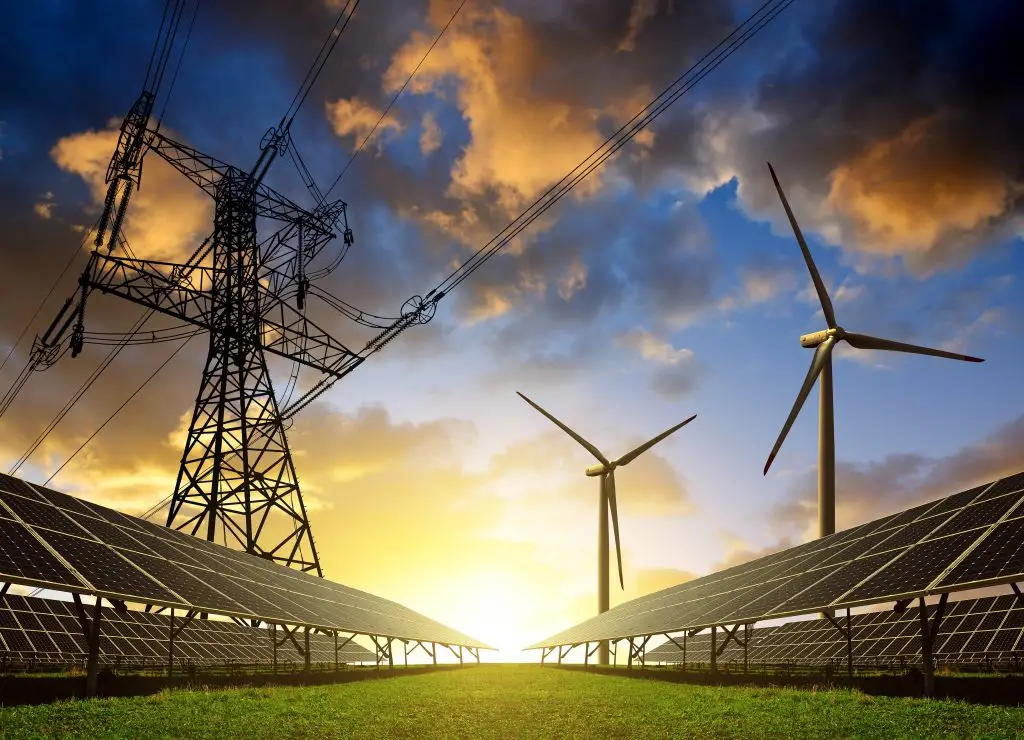
As the population grows and demand rises, integrating renewable energy (RE) technologies such as solar, hydro, and wind has become critical. However, high capital costs, weak financing systems, and policy inconsistencies continue to block progress. To bridge this gap, Naira-based concessionary loans offer a practical, homegrown solution. These loans provide affordable financing in the local currency, reducing exposure to exchange rate risks while encouraging private and community-led investments in clean energy.
Concessionary loans are low-interest, long-term loans designed to make investments in critical sectors, like renewable energy, more affordable. In Nigeria, institutions like the Central Bank of Nigeria (CBN) and Bank of Industry (BOI) have introduced financing schemes to support energy developers and end users.
However, most renewable energy investments still rely on foreign currency loans, which carry exchange rate risks and unpredictable repayment costs. When the naira depreciates, developers face ballooning debt, making their projects less viable. That’s why Naira-based concessionary loans offered in local currency are key to building resilience and affordability across the energy ecosystem.
But to maximize their impact, we must distinguish between two primary beneficiaries: Renewable Energy Developers and Projects, who need long-term financing to build infrastructure; and Low-Income Consumers and Small Businesses, who need simple, flexible financing to afford solar products and energy solutions.
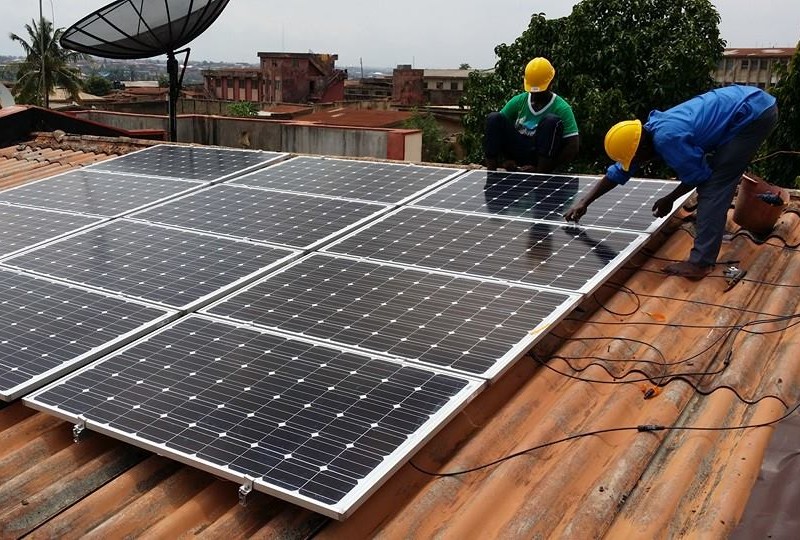
Developing renewable energy projects in Nigeria is capital-intensive. Setting up solar farms, mini-grids, or hybrid systems requires millions in upfront investment, but commercial banks are often unwilling to lend because of issues like short loan tenures and high interest rates.
A 2024 report on advocacy and engagement in fiscal incentives and importation procedures by the Renewable Energy Association of Nigeria (REAN) highlights that even when concessional loans exist, they often fail to match market realities, such as flexible repayment plans, partial risk guarantees, and capacity-building support.
To change this, concessional loan frameworks should include: longer loan tenures (up to 10–15 years) to match project lifecycles; risk-sharing mechanisms involving government and development partners; and blended finance models, combining grants, equity, and debt to lower perceived risks. Even with the availability of small-scale solar home systems (SHS), many households cannot afford the upfront cost. Here, concessionary loans for consumers, often in the form of microcredit or pay-as-you-go (PAYG) models, can make the difference.
A perfect example is the Solar Power Naija Programme, launched in December 2020 under the Economic Sustainability Plan by the Federal Government of Nigeria and implemented by the Rural Electrification Agency. It aims to connect 5 million off-grid homes, reaching around 25 million Nigerians through low-interest, long-term financing. The initiative not only expands energy access but also creates over 250,000 jobs, stimulating local economies. The most recent development in the program is the signing of a memorandum of understanding for the national public sector solarization initiative in August 2025, alongside the federal government announcing plans to introduce a distributed solar power model in the northern states, with 100 megawatts of solar power to be installed in each state.
However, to scale such solutions, financial literacy campaigns are needed. Many low-income consumers remain unaware of available financing options or distrust energy providers due to past experiences with poor service delivery. The success of any financing scheme depends on the stability of government policy. Unfortunately, Nigeria’s renewable energy policies have been inconsistent and poorly enforced. Frequent changes in incentives like tax breaks or feed-in tariffs create uncertainty for investors.
There’s also a disconnect between policy intent and implementation. While the CBN and BOI have laudable frameworks, they often fail to reach small and medium-scale developers due to bureaucratic bottlenecks and complex eligibility requirements. A more effective approach would be policy alignment between financial institutions, regulators, and industry stakeholders, particularly through partnerships with the Renewable Energy Association of Nigeria (REAN). Such alignment ensures that financing tools reflect the real challenges faced by energy players on the ground.
To scale renewable energy access, Nigeria must strengthen its domestic financial ecosystem. Building the capacity of local banks to manage long-term renewable energy portfolios is essential. Introducing impact-linked loans, where borrowers enjoy lower interest rates for meeting sustainability goals, can further encourage environmental and social accountability among RE players.
Unlocking renewable energy access in Nigeria requires a coordinated ecosystem of banks, developers, government agencies, communities, and development partners. Each has a role to play in ensuring that concessional financing not only exists but works effectively for both producers and consumers.
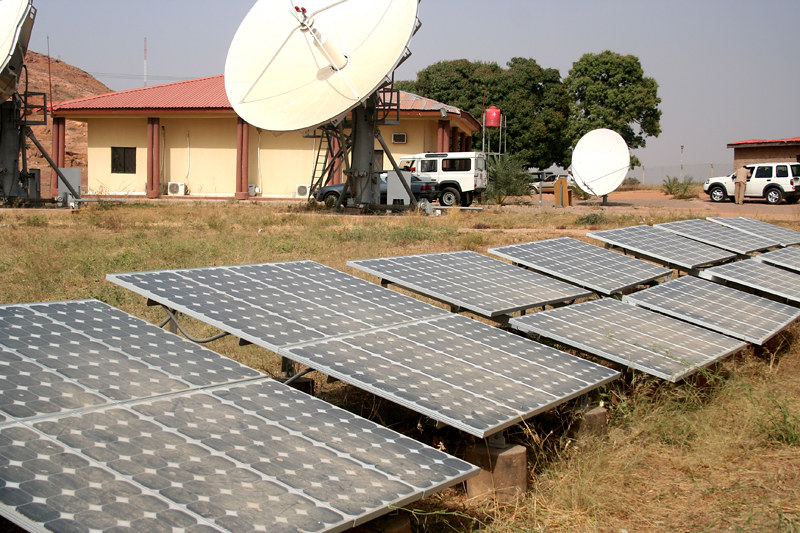
Through policy harmonization, there is a need to ensure all financing policies align under a unified renewable energy framework. There is also the need to train local banks and developers on risk assessment, project management, and blended finance.
Moreover, supporting local ownership of energy projects through awareness and participation will reduce energy poverty, and integrating inclusion measures into all renewable energy financing programs will be all-inclusive.Concessional financing in naira is not just a financial tool; it’s a bridge between opportunity and access. For developers, it means the ability to plan long-term and build scalable renewable energy projects. For low-income consumers, it represents dignity, empowerment, and a way to climb out of energy poverty. With strong policy coordination, gender inclusion, and market-driven innovation, Nigeria can create a financing ecosystem that truly serves everyone, be it urban or rural, rich or poor. The renewable energy revolution has begun, and naira-based concessionary financing can make it inclusive, sustainable, and truly Nigerian.