One in 10 people could face extreme poverty by 2030
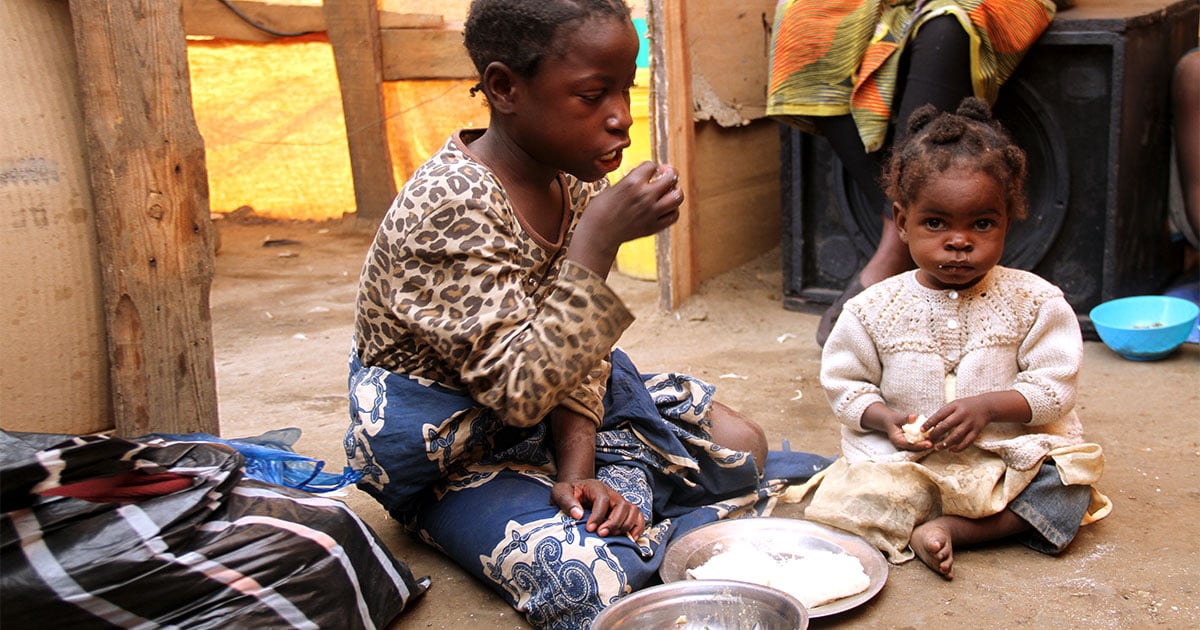
The United Nations warned that rising poverty and hunger worldwide are undermining efforts to end extreme poverty by 2030, a central goal of the Sustainable Development Goals.
A UN statement said that 808 million people, or one in 10 worldwide, were living in extreme poverty in 2025. The figure showed an increase from the earlier number after the international poverty line, now defined as surviving on less than US$3.00 per person per day at 2021 purchasing power parity. “Eradicating extreme poverty for all people everywhere by 2030 is a pivotal aim of the Sustainable Development Goals,” the agency stated.
While noting that extreme poverty has witnessed remarkable declines over recent decades, it warned that progress has slowed significantly.
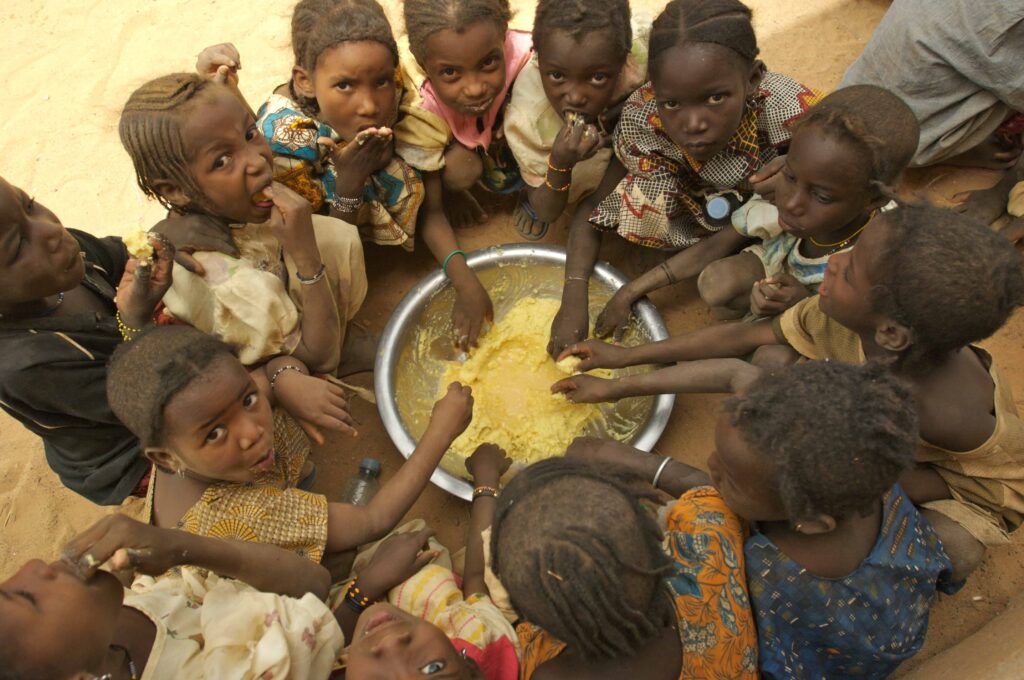
According to the statement, “if current trends continue, 8.9 per cent of the world’s population will still live in extreme poverty by 2030.”
The UN maintained that the resurgence of global hunger levels to those last observed in 2005. It highlighted the continuous spike in the price of food across a larger number of countries compared to the 2015–2019 period, describing the dual crisis of poverty and food insecurity as a critical global concern.
Noting that the drivers of poverty, the UN mentioned that the problem is multidimensional, with causes including unemployment and social exclusion. Others are the high vulnerability of certain populations to disasters, diseases, and other shocks that prevent them from being productive.
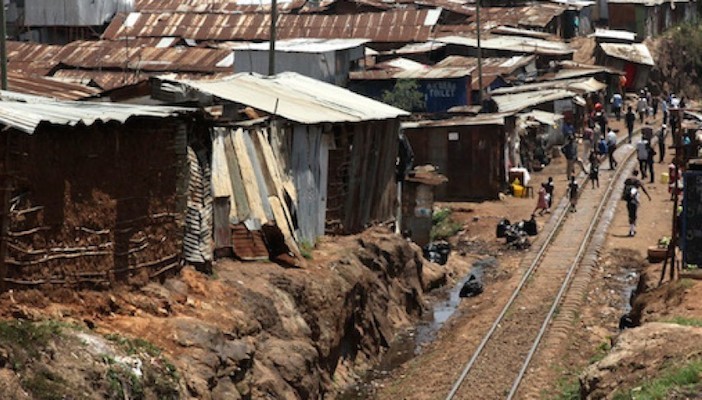
The global organisation emphasised that poverty and inequality have far-reaching implications beyond those directly affected. “As human beings, our well-being is linked to each other.”
Cautioning that growing inequality is detrimental to economic growth, affects social cohesion, increases political and social tensions, it stated that it can also fuel cases of instability and conflict. On social protection, the UN said strong systems are essential to mitigate shocks and prevent people from falling into poverty.
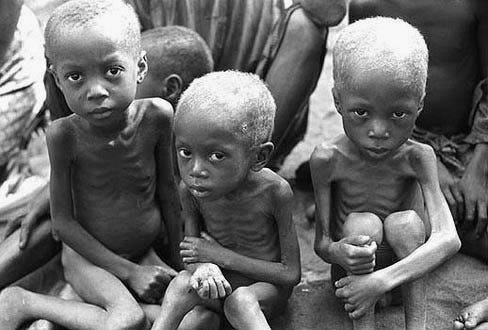
It noted that despite expansions during the COVID-19 crisis, 47.6 per cent of the world’s population — about 3.8 billion people — remain entirely unprotected, including 1.4 billion children as of 2023.
In response to the global cost-of-living crisis, the statement said 105 countries and territories announced nearly 350 social protection measures between February 2022 and February 2023.
However, it was observed that 80 per cent of these interventions were short-term. “To achieve the Goals, countries will need to implement nationally appropriate universal and sustainable social protection systems for all,” the agency said.
The UN also called for broader engagement from governments, the private sector, and citizens. It urged individuals to participate actively in policymaking to ensure their rights are protected and their voices heard.
Governments, it said, can create enabling environments that generate productive employment and job opportunities for the poor and marginalised.
The private sector, according to the statement, “has a major role to play in determining whether the growth it creates is inclusive and contributes to poverty reduction,” while science and innovation have already made significant contributions, including improving access to safe drinking water, reducing deaths from water-borne diseases, and enhancing hygiene standards.
The global body maintained that coordinated and sustained efforts across sectors remain critical to lifting millions out of poverty and ensuring that no one is left behind by 2030.