Pangolins in Peril: A Nigerian organisation is saving world’s most trafficked mammal
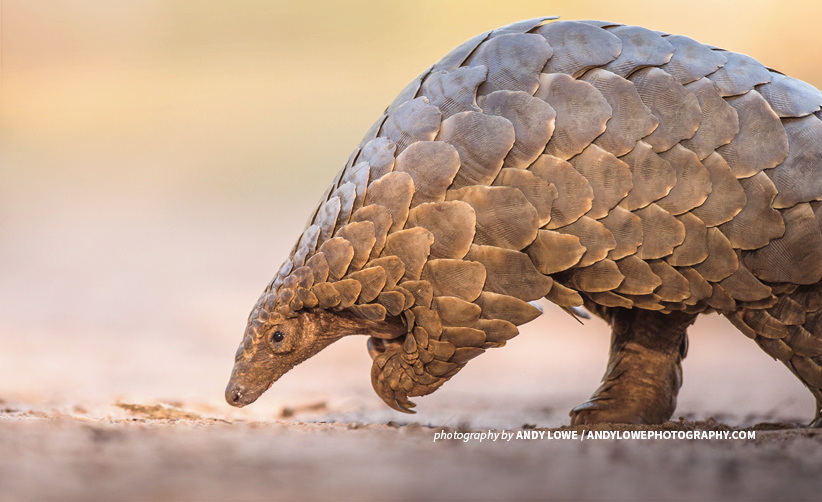
Pangolins are vanishing. They are being systematically eliminated, and their scales are regularly hunted for medicines or meat. This animal has become endangered due to the high demand in the global illegal wildlife market. But one organisation is waging a quiet pushback through rescue missions to give this creature a fighting chance.
SouthernHerald, Adedokun Theophilus, reports how a Nigerian group is saving the planet’s most trafficked mammal before it becomes extinct.
As the sun set in southwest Nigeria, a group of hunters tightened their packs, gears, and traps and gripped their weapons with practised hands, leaving home for a hunting expedition. With a hope of new
They were men born of the forest who killed and sold game for a living. The forest animals are their sources of livelihood, and the bigger their prey, the bigger and flashier their pockets.
But tonight, like other days, they left their homes solely to lay their hands on the biggest game in the forest and hunt it down.
What they planned was a yeoman task, to capture any wildlife or pangolins whose flesh or hide could fetch a high price at the market.
Armed with dane-guns, headlights, cutlasses, sack bags, and amulets, the hunters moved deep into the forest as their boots crunching over twigs, dried and fallen leaves, betraying the silence which accompanied nature. Hours passed, and they became hopeless and helpless because no animal came in sight. Tired, these seasoned game trackers and hunters are confused because not even a single footprint or rustle was seen.
As they pushed farther, frustration crept in, and their brows dripped sweat.
Disappointed, Sule Ayinla, one of the hunters, decried the scarcity of animals in the forest.
“We used to hunt Pangolins here. There used to be a lot of animals in this forest, but they are scarce now,” he said.
“We only see them once in a while now.”
Pangolins were a gift in the forest a few years back. Many could be found on the tree branches and under leaves without strenuous efforts, but their number has worsened over time. Pangolins have been reduced, and hunters no longer lay their hands on them like before. This situation indicates how endangered this mammal has become. It is the most trafficked globally, and they are the only mammals whose bodies are covered in hard scales.
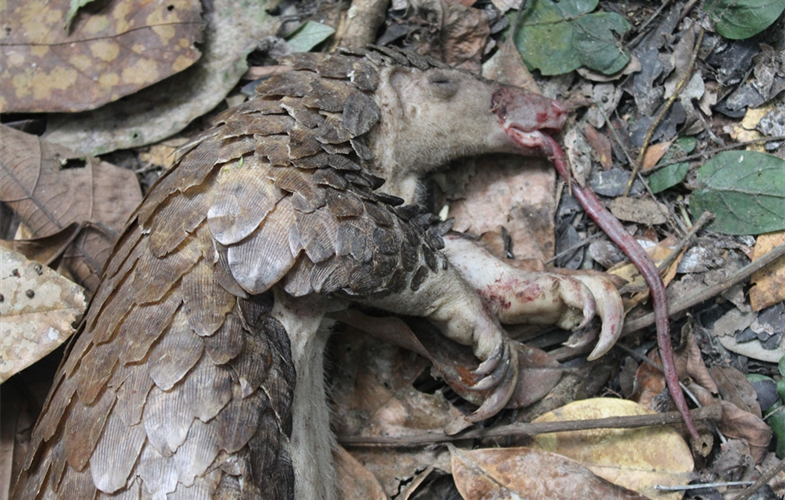
Studies showed that these mammals are of eight species and can be found in South, Southeast, and East Asia, and sub-Saharan Africa. But these species are under threat of extinction.
Of these eight species, four belong to the African origin, and these species include the white-bellied pangolin, the giant pangolin, Temmincks pangolin and the black-bellied pangolin.
These are prevalent across sub-Saharan African countries like Nigeria, Burundi, Cameroon, and others.
Aside from the fact that they have a homogenous geological continent, they also share the same vulnerability as they are hunted for medicine and meat, meaning poaching for illegal wildlife trade and habitat loss is driving these incredible creatures towards the edge of extinction.
This emergency is the sole driver of an organisation, the Pangolin Conservation Guild Nigeria (PCWGN), and it is making it focus on protecting, researching, advocating, and collaborating with relevant stakeholders in ensuring that Pangolins are safe.
“We don’t only address the issue of Pangolin conservation in Nigeria, we address it globally,” said Professor Olajumoke Morenikeji, the founder, chair of the Guild, and deputy vice chancellor of Kola Daisi University.
It is driven by the goal of combating illegal trafficking and poaching, while also raising awareness about the ecological importance of this insect-eating creature.
“We educate the Nigerian populace about pangolin conservation through community training. We are going to several communities to create awareness, and we have also started having conservation clubs in schools and conducted extensive outreach on social media and in person.”
Actors like community leaders, hunters, bushmeat merchants, law enforcement, youths, and religious groups are enlightened about the importance of the Pangolin. “Creating awareness on Pangolin is a big deal for us, and we are doing it on a large scale, and we have been to several markets where they sell.”
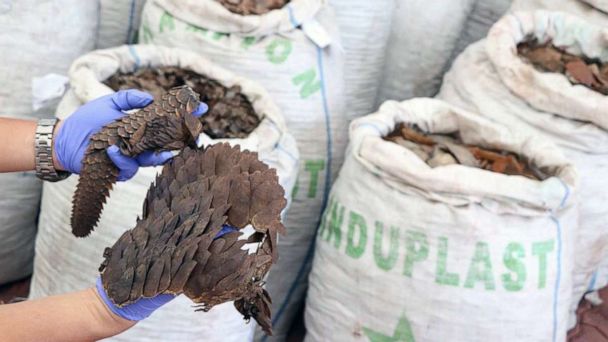
The demand for the scale of this mammal is driven by the thirst of the Chinese and Vietnamese in need of traditional medicine. It is believed that it is used to cure diseases. Studies showed that China uses pangolin’s scales to produce medical elixirs to treat ailments ranging from asthma to arthritis.
The Wildlife Justice Commission said more than half of all pangolin scale seizures worldwide between 2016 and 2019 were connected to Nigeria.
Although the majority of trafficking pangolins are smuggled from surrounding countries and transported through Nigeria’s porous ports and borders to Asia, the animals are native to Nigeria and other sub-Saharan African nations.
This is because two of the types of Pangolin in Asia have become extinct, and poachers now focus on Africa for their demands, especially in Nigeria, due to the lack of stringent enforcement of law and regulation by the customs and concerned actors.
Unfortunately, it is not only the Asians who are after these creatures. Many primitive African traditions and cultures still see pangolins as food or traditional medicine. The animal scale possesses a high cultural significance in traditional healing practices that aim to cure rheumatism, tackle convulsions, ensure spiritual protection, and perform financial rituals.
That is not all. To reveal the hostility of the nation towards poaching, Nigeria publicly burnt a pangolin scale worth $1.4 million in 2023.

“When we enter a community, they sometimes resist us. But once we begin dialogue and education, we explain not only the ecological importance of pangolins but also the laws protecting them. People begin to change,” the chair said.
However, in situations when the resistance from the community is high, she introduced members to the legal provisions and punishment against killers of these mammals.
Anyone found guilty of hunting, possessing, and trading pangolin attracts a fine of five million.
“By the time we finish educating them and telling them about what the law of the country says about anybody found in possession of a pangolin, they will release it because they don’t want to go to jail or pay five million naira when we tell them the consequences of having that pangolin with them,” She added.
Hunting, possessing, or trading pangolins without the express consent of the government is illegal according to the Endangered Species (Control of International Trade and Traffic) Act 2016.
Nigeria sentenced to jail poachers, a Nigerian and a Cameroonian.
Pangolins seem like small animals, but their relevance to the sustainability of humans, animals, trees, and the ecosystem is undeniable. They are balancers of nature.
Pangolin are crucial to the management of insect populations in their environment, and they survive mainly on termites and ants. As the unsung heroes of the ecosystem, they regulate insect populations, especially those of termites and ants, and contribute significantly to the biological balance of habitats.
Their digging habits, which aerate the soil and encourage nitrogen cycling, also improve soil health.
As an insect-eating mammal, the extinction of pangolins means that there will be fewer animals feeding on insects, leaving insects to flood and destroy farmlands
How PCGN Combines Research, Rescue, and Rehabilitation to Protect Pangolins
Aside from public advocacy and enlightenment, the guild also combined research and rehabilitation for the preservation, protection, and rescue of pangolins.
One of the Pangolins successfully rescued and rehabilitated is Ajoke. It was almost lifeless when Ajoke was rescued. It was already slashed on the neck with a cutlass, but luckily, a surgical operation from a team of specialists revived her. Although it has been reintegrated into its habitat, the beautiful pangolin is safely living in a protected forest.
But this might have been possible if the group were not a melting pot of several kinds of expertise coming together to help these mammals survive, what lucky creatures?
Experts from diverse discipline medicine, veterinary medicine, zoology, and conservation science are members of the group. They conduct an in-depth investigation on pangolin health, habitat, and breeding. Focusing on areas like ecology, morphometrics, parasites, health, and breeding, these experts are working to see that pangolins overcome their endangered status.
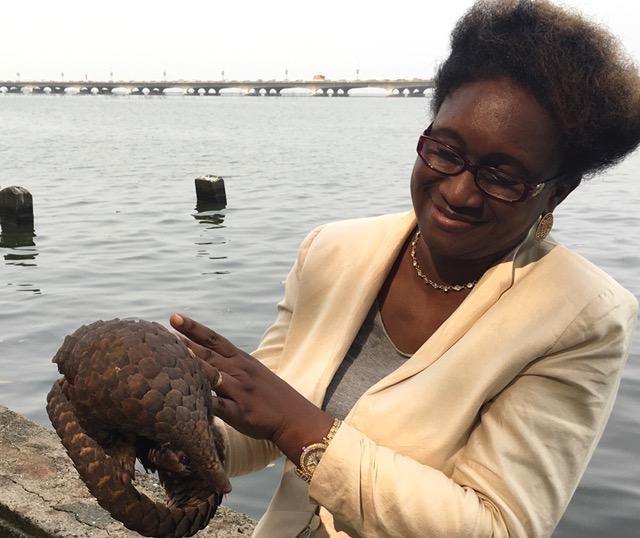
“We have a rehabilitation centre for pangolins. It’s in the University of Ibadan. We bring them to that rehabilitation centre, and we treat them. There was a time we got a pangolin that was slashed on the neck with a cutlass. We have to do surgery. You know, that is as serious as that, you know? And then we rehabilitate them. After rehabilitation, we now release them into a protected forest area,” Professor Morenikeji explained.
The guild does not stop there; it also carries out data-oriented scientific and evidence-based research to support actions.
According to her, “We have a lot of published papers on pangolins, and our group has a lot of different kinds of expertise. We have veterinary doctors, we have animal scientists, we have zoologists, we have people that are just generally interested in animal conservation, and what we do is that we carry out a lot of scientific research.”
“It is when you understand and you study them that you can get them more. There are quite a lot of things that we still don’t know about the pangolin. So, when we study the pangolins, we write papers, and we put them on online or we publish the papers, so that other scientists can gain.”
Similarly, X-rays are used to examine the pangolins for further studies.
There is more, the most compelling work the guild does is to rescue pangolin from illegal trade through either wildlife market visitations and coordinated rescue operations.
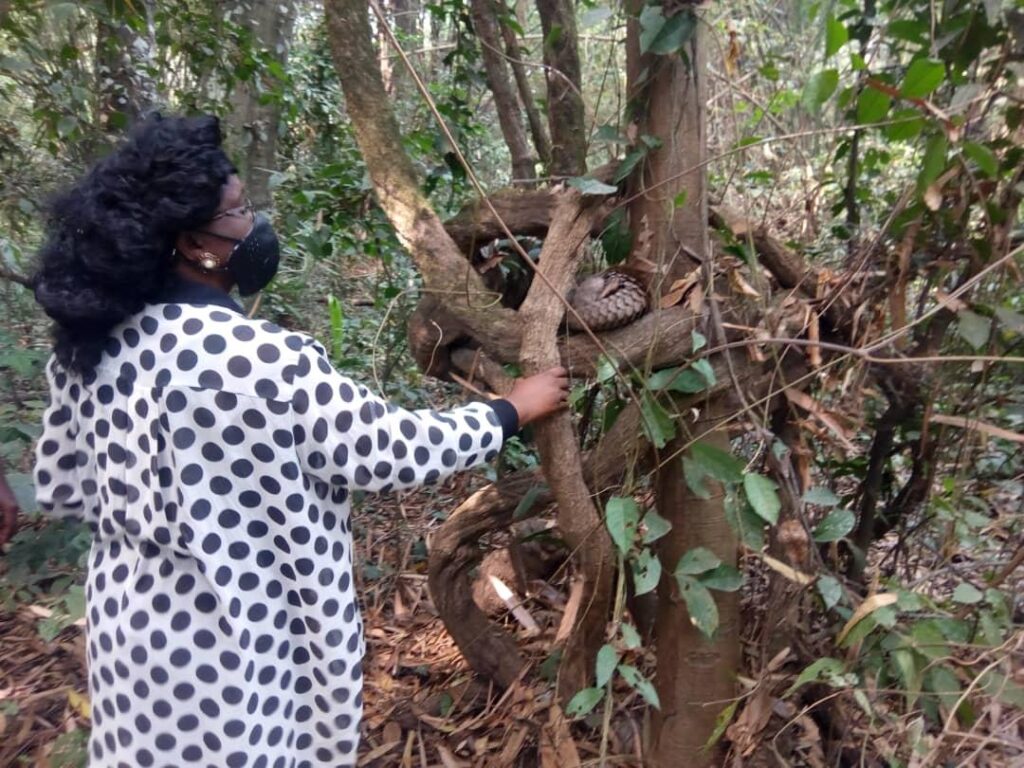
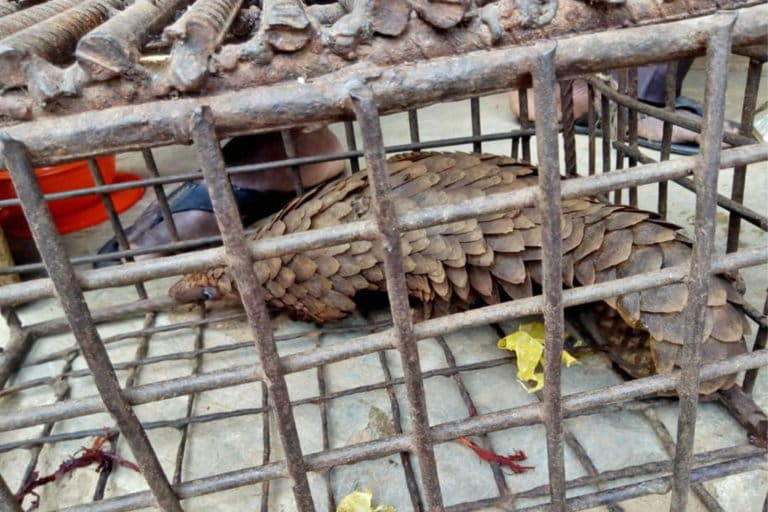
Another pangolin was rescued from being cooked at a restaurant in Cross River State. An urgent call was placed to the group by Destiny, a local averting the death of the animal.
Although the animal was alive when it was rescued, it was already fragile and frail at the time the group received it. Unfortunately, its health deteriorated, and it died.
Aside from the rescue, the group has a Pangolin Conservation and Research centre at the University of Ibadan dedicated to Pangolin study, the chair proudly noted.
While their work is rooted in grassroots engagement, it’s powered by cutting-edge science.
From X-rays to geo-mapping, the guild applies a robust arsenal of scientific tools to study and safeguard pangolins. “There’s so much we still don’t know about pangolins,” she noted.
Studies showed the essence of maintaining range-author contributions and factors that may lead to increased public interest in pangolins. Experts lament that Pangolins are an understudied species.
Dr. Dan Challender, Chair of the IUCN SSC Pangolin Specialist Group, a volunteer network of experts working under the IUCN Species Survival Commission (SSC) to advance knowledge and conservation efforts for pangolins, said that efforts to develop targeted pangolin monitoring programs are in their infancy, and we don’t have any time to lose.
Fighting Poaching Through Community Action
Communal collaboration and an intensive campaign are deployed as a strategy by the guild. Local and natives get involved at this level, bushmeat sellers, hunters, and law enforcement officers are trained on illegal poaching and wildlife killing.
In 2022, the guild launched a campaign in Epe community of Lagos state. They were trained and oriented on the dangers of poaching and killing endangered species in the community for a period of a year.
Although the community was once known as an infamous hub of wildlife hunting, the attitude of the community changed towards poaching and wildlife killing. “We stayed for a whole year,” the project coordinator explained.
“When we left, you couldn’t find a single pangolin for sale in that market,” Professor Morenikeji said, adding that to sustain the progress, a Community Pangolin Task Force was formed to enforce conservation.
This informal task force effect became evident when a community member was apprehended for trafficking pangolin.
“We formed that task force among the people there, and they became police unto themselves. I was in Panama when I had a report that the people there actually arrested one of them, one of their own, and warned the person never to sell pangolins again. In fact, they handed the person over to authority,” she reiterated, stressing that their efforts are beginning to pay off.
Experts said that public awareness is integral to the conservation of elusive species. Studies indicated that the failure of the game reserve authorities to allow local participation could be attributed to illegal harvesting of natural resources and poaching from the game reserve, resulting in poor wildlife conservation. Francis Massé, an Assistant Professor at Northumbria University, said that community participation is very important to realise effective anti-poaching.
‘Conservation law enforcement requires the involvement of communities if it’s to be successful and socially just. But local people must benefit from the wildlife they help to protect, and those involved in anti-poaching must be accountable to their communities,” Massé noted.
When Funding becomes Challenge despite National Reach, Global Collaboration
Either from Ekiti to Calabar, or from Kogi to Cross Rivers across the nook and cranny of Nigeria, pangolins are getting safe with calls from individuals. These individuals are not members of the guild but Nigerians passionate about conservation. They call the helpline of the guild to rescue any pangolin spotted in danger.
The network of people who were educated in the past has become advocates of the creature.
“There was a day they called us saying we should come to Ondo State to pick up two pangolins, a mother and a baby. It was in a restaurant, and they were about to kill the pangolins,” Professor Morenikeji said, disclosing that the quick intervention of the stranger who called the guild’s helpline saved the lives of two pangolins.
“We quickly said they shouldn’t kill the pangolins, and we had to send somebody to go from Ibadan to Ondo and pick the two pangolins. I mean, we’re so grateful that the pangolins came back to Ibadan safely, and they survived, mother and baby, and we released them into a protected forest area.”
This is just one of the many rescue missions of Pangolin Conservation Guild Nigeria.
Apart from the fact that the guild served as a major stakeholder in shaping Nigeria’s National Strategy to Combat Wildlife and Forest Crime (2022-2026), it has spread its arms beyond Nigeria while shaping the pangolin narrative globally.
Relying on its international network of conservationists, they continually fight for and protects pangolins.
“We are linked with stakeholders around the world. Conservation is not a local issue; it’s global. What happens to pangolins in Nigeria affects biodiversity everywhere.”
Commending the law enforcement agencies on the stifle and scale up security, seizures, and convictions, she acknowledged the improvement in securing pangolins and other endangered species.
“I’m really grateful that we have moved away from those days when Pangolins were taken away to other countries, and all we hear is that those Pangolins left Nigeria and that they were seized in Vietnam or other countries. But now we are making arrests on our own shores, and that is improvement, that is advancement, that is moving forward. So, we are hopeful that the Pangolin will survive.”
But the heavy burdens and garbage of protecting pangolins do not come without a price; funding has remained a stumbling block in the guild’s mission.
From the rapid response rescues, community outreach, and research to the construction of our Pangolin Conservation and Research Centre, all require heavy financing.
“Funding remains a major limitation. But there are also cultural misconceptions and weak enforcement laws. What works in Nigeria might not work elsewhere. That’s why collaboration is crucial,” she said, noting that the promising development offered is delayed by a lack of funds. “ So far, we have been funding most of this ourselves.”
“For example, if we can get somebody to donate a vehicle to the organization, it will ease our movement and our awareness creation and our collaborations with other partners in ensuring that wildlife is protected in the country.”